15 min
Uluru Helicopter Flight
- Private experience
- Personal attention
- Premium amenities
- Free cancellation
Uluru Helicopter Tour — Scenic Flights Over Ayers Rock
Witness the Red Centre from above, where ancient stone meets endless desert.
Compare fares, pick the fit — all bookings are mobile-voucher and eligible for free cancellation where shown.
15 min
1 hr 30 min
24 hr
| Experience | From | Duration | Rating | Transfers | Pickup | Free cancel. | Price | |
|---|---|---|---|---|---|---|---|---|
|
Luxury / Private
Most popular
Uluru Helicopter Flight
|
— | 15 min | ★ 4.9 | ✓ | ✓ | ✓ | €121 | Book → |
|
Luxury / Private
Uluru, Kata Tjuta & Lake Amadeus Helicopter Flight
|
— | 1 hr 30 min | ★ 5.0 | ✓ | ✓ | ✓ | €462 | Book → |
|
Guided Experience
Uluru Day Tour from Alice Springs with Sunset BBQ
|
Alice Springs | 24 hr | ★ 4.7 | ✓ | ✓ | ✓ | €247 | Book → |
Worth it for aerial perspective seekers
A uluru helicopter tour typically ranges from $250 to $600 AUD per person depending on duration and operator, sitting well above the 38 AUD national park entry fee. What you gain is an unmatched aerial vantage over the monolith, Kata Tjuta, and the surrounding desert—perspectives impossible from ground level. The flight reveals the true scale of Uluru's circumference and the geological patterns across the red centre that walking trails simply cannot convey. Helicopter tours over Uluru deliver exceptional value for photographers chasing unique compositions, travellers with limited mobility who cannot complete the base walk, and visitors prioritizing efficiency over immersive ground exploration. If your goal is capturing the desert landscape from above or maximizing coverage in a compressed timeframe, the premium justifies itself. For budget-conscious travellers content with sunrise viewing from Talinguru Nyakunytjaku or the Mala Walk, ground access offers profound connection without the helicopter cost.
Bottom line: The aerial perspective justifies the cost if scale, efficiency, or accessibility drives your visit to the red centre.
They complement each other; most visitors who do both find the aerial route provides a superior geological overview, while the walking path is the more immersive experience for those seeking deep connection with the sandstone monolith. Choosing between these uluru helicopter tour tours and the walking trail depends on whether you prioritize bird's-eye vastness or intimate proximity to the UNESCO heritage landscape.
|
Top pick Helicopter Tour |
Base Walk | |
|---|---|---|
| Perspective | Aerial bird's-eye view | Intimate ground-level contact |
| Physical Effort | Minimal seating exertion | High walking intensity |
| Cultural Connection | Landscape scale overview | Deep ancestral songline engagement |
| Weather Sensitivity | High wind restrictions | Low impact except extreme heat |
| Photography Style | Expansive panoramic vistas | Textured close-up details |
| See tickets & prices |
Verdict: Securing uluru helicopter tour tickets offers a rapid survey of the desert topography, whereas the base walk provides the physical engagement required to truly appreciate this red center landmark and its profound cultural significance.
Hand-picked experiences loved by thousands of travelers
2 hours
Free Cancellation
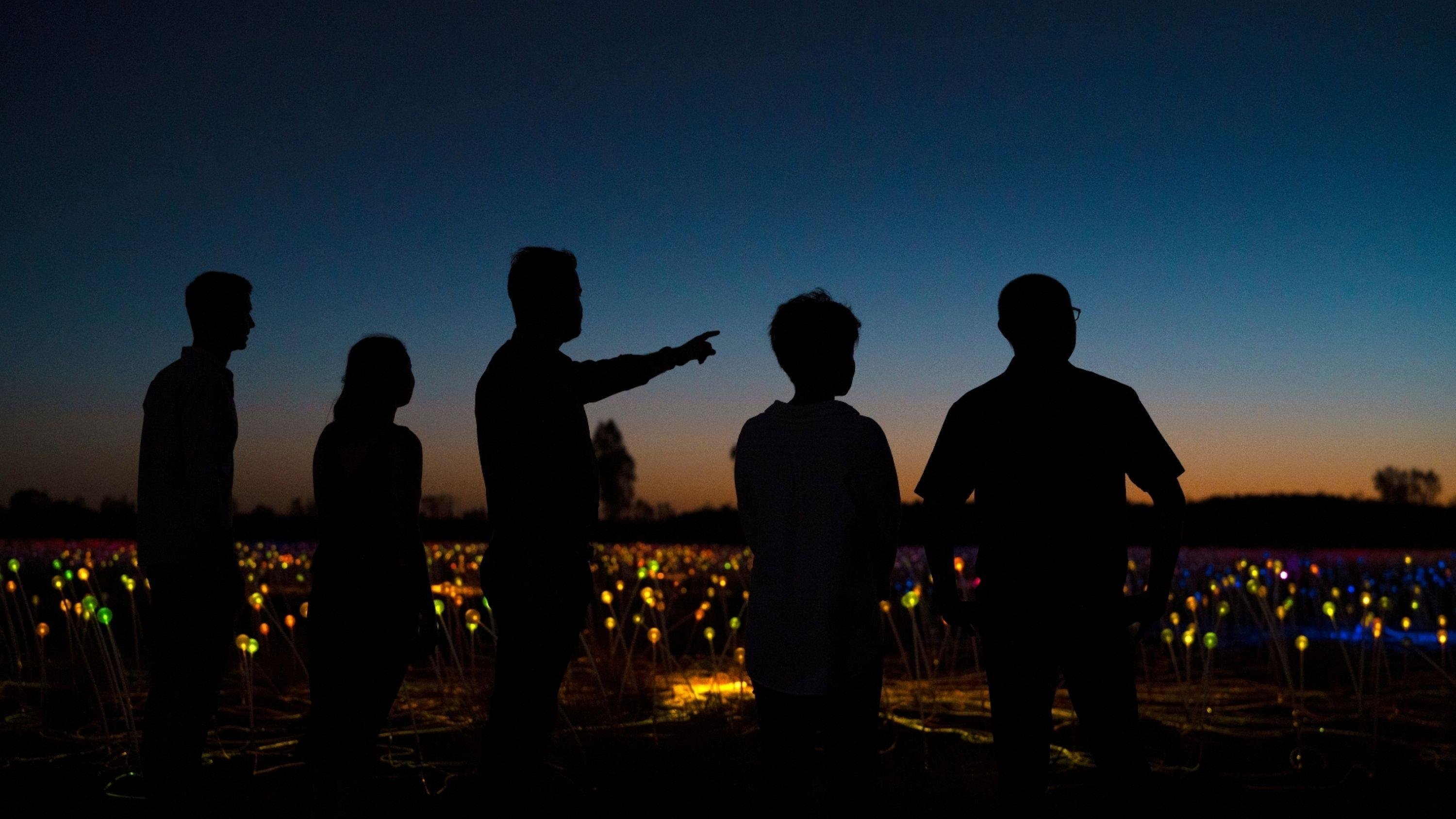
Witness 50,000 illuminated spheres glowing across the desert as dawn breaks over Uluru
5 hours
Free Cancellation
Glide around the sacred rock at dawn, visit hidden waterholes, and learn Aboriginal stories
5 hours
Free Cancellation
Watch dawn break over Uluru, then venture into Kata Tjuta's ancient domes and Walpa Gorge's hidden oasis.
5 hours
Free Cancellation
Circle the base of the monolith, visit ancient waterholes, and toast the shifting colors at dusk.
7 hours
Free Cancellation
Explore the sacred rock's base on guided walks, then toast the outback's most famous sunset over sparkling wine.
4–5 hours
Free Cancellation
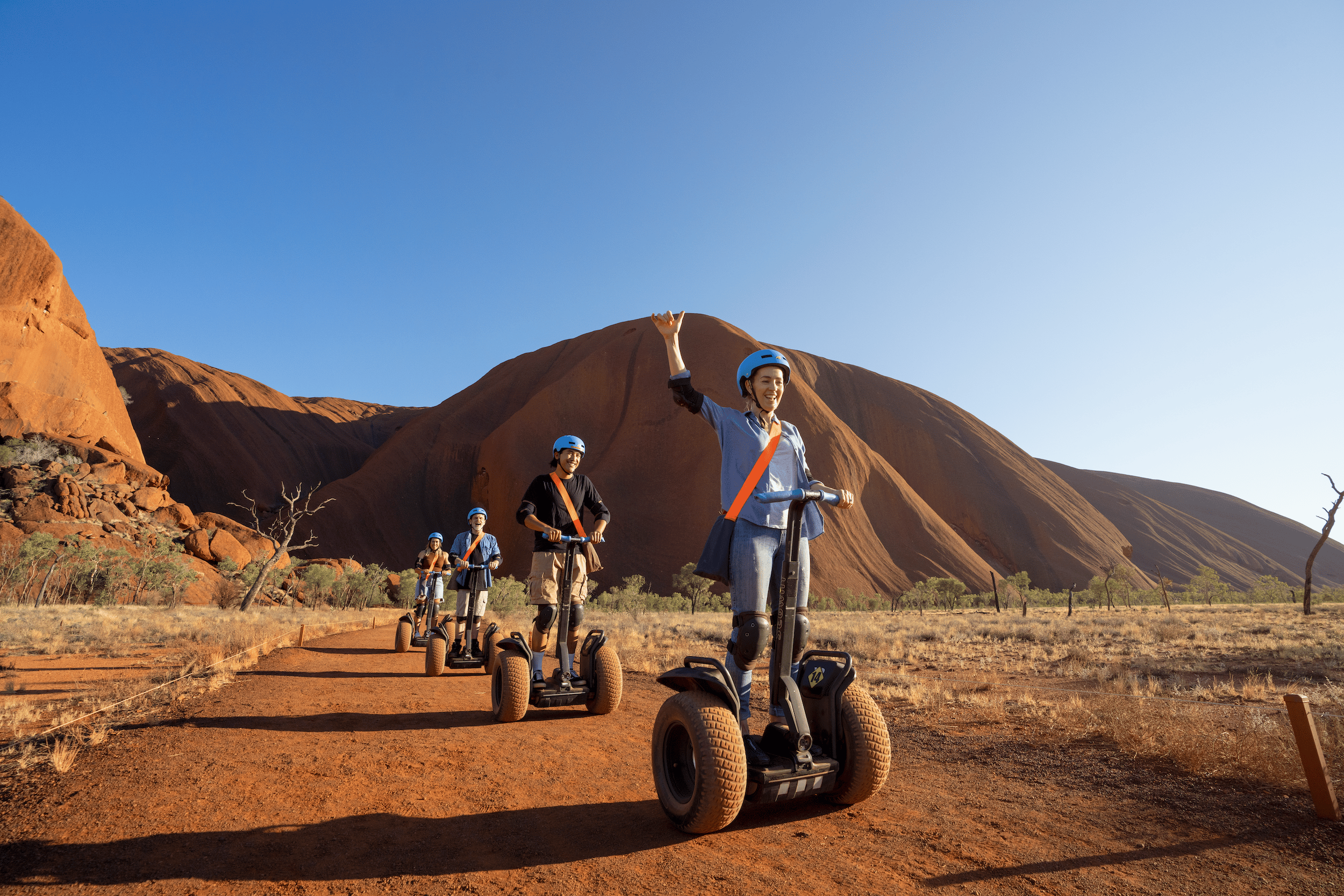
Glide around Uluru's base on a Segway, then explore sacred waterholes and ancient rock art on foot
3 days
Free Cancellation
Three-day camping adventure through Australia's iconic desert landmarks with expert guides
2.5 hours
Free Cancellation
Stargaze beneath Uluru's dark skies with powerful telescopes, expert guides, and a professional photo.
Confirm booking and safety briefing
Boarding the helicopter for the tour
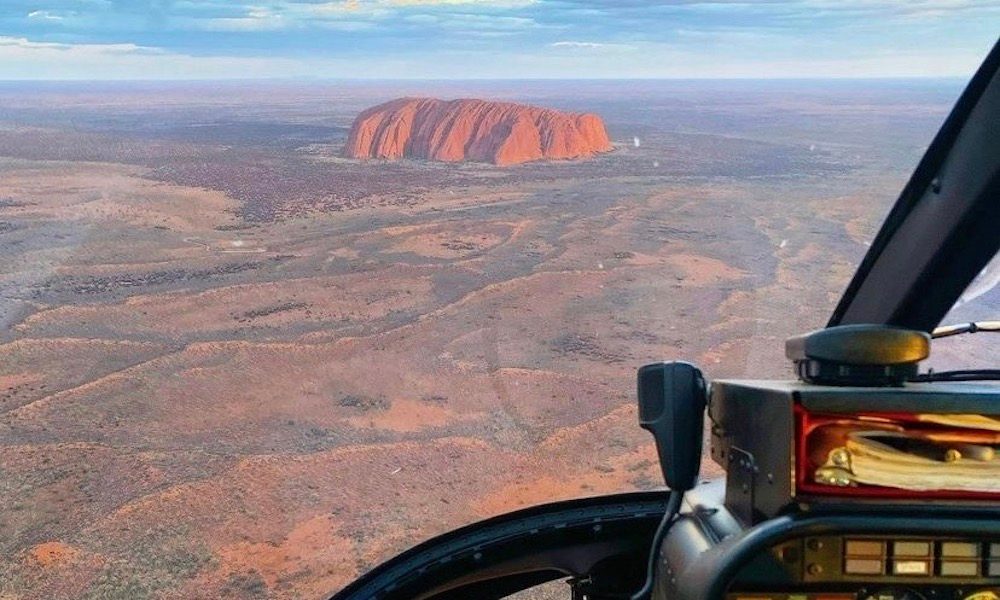
Scenic flight over regional landmarks
Post-flight photo check and feedback
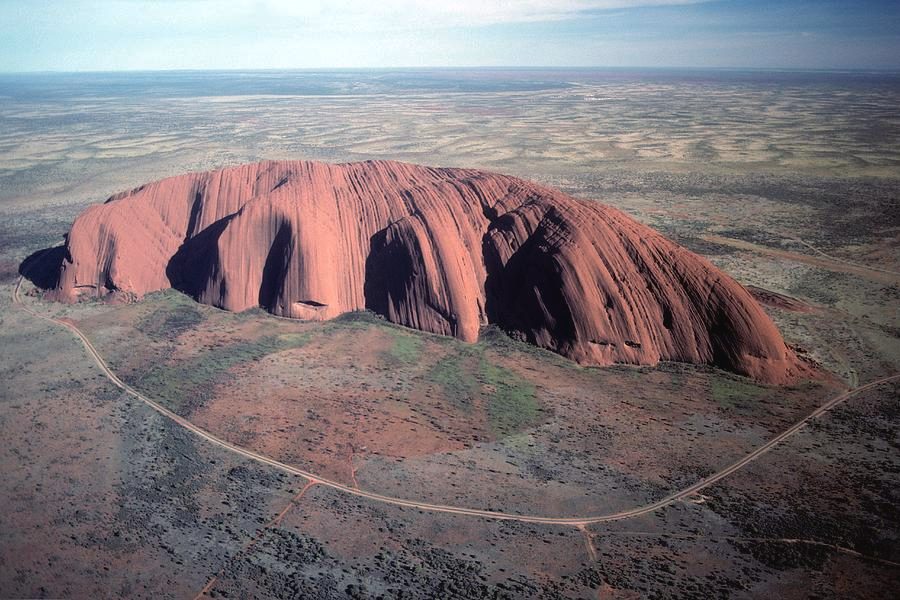
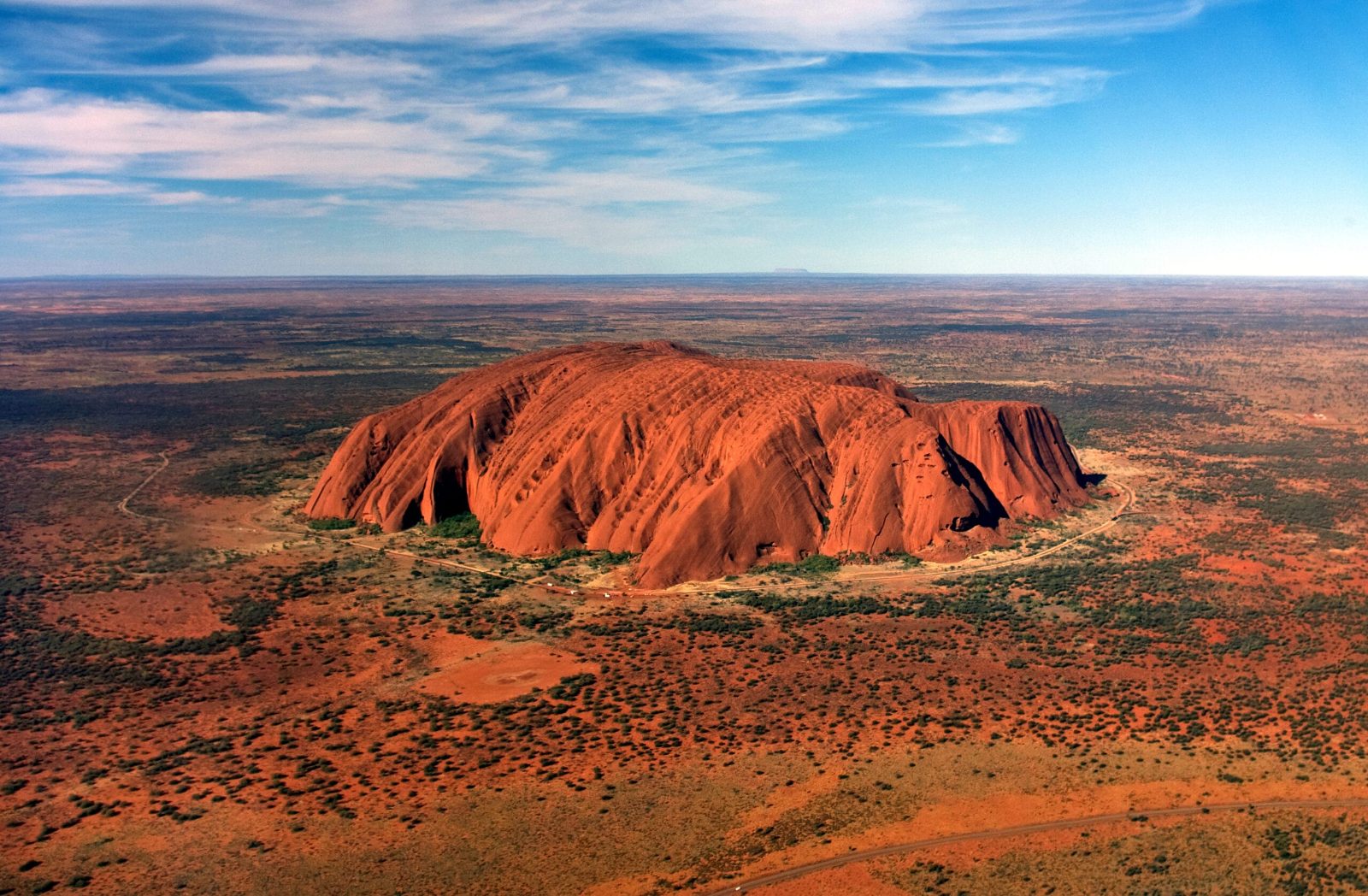
This massive sandstone monolith rises 348 meters above the desert floor and is central to regional history. It is estimated to be over 500 million years old
Ayers Rock photography
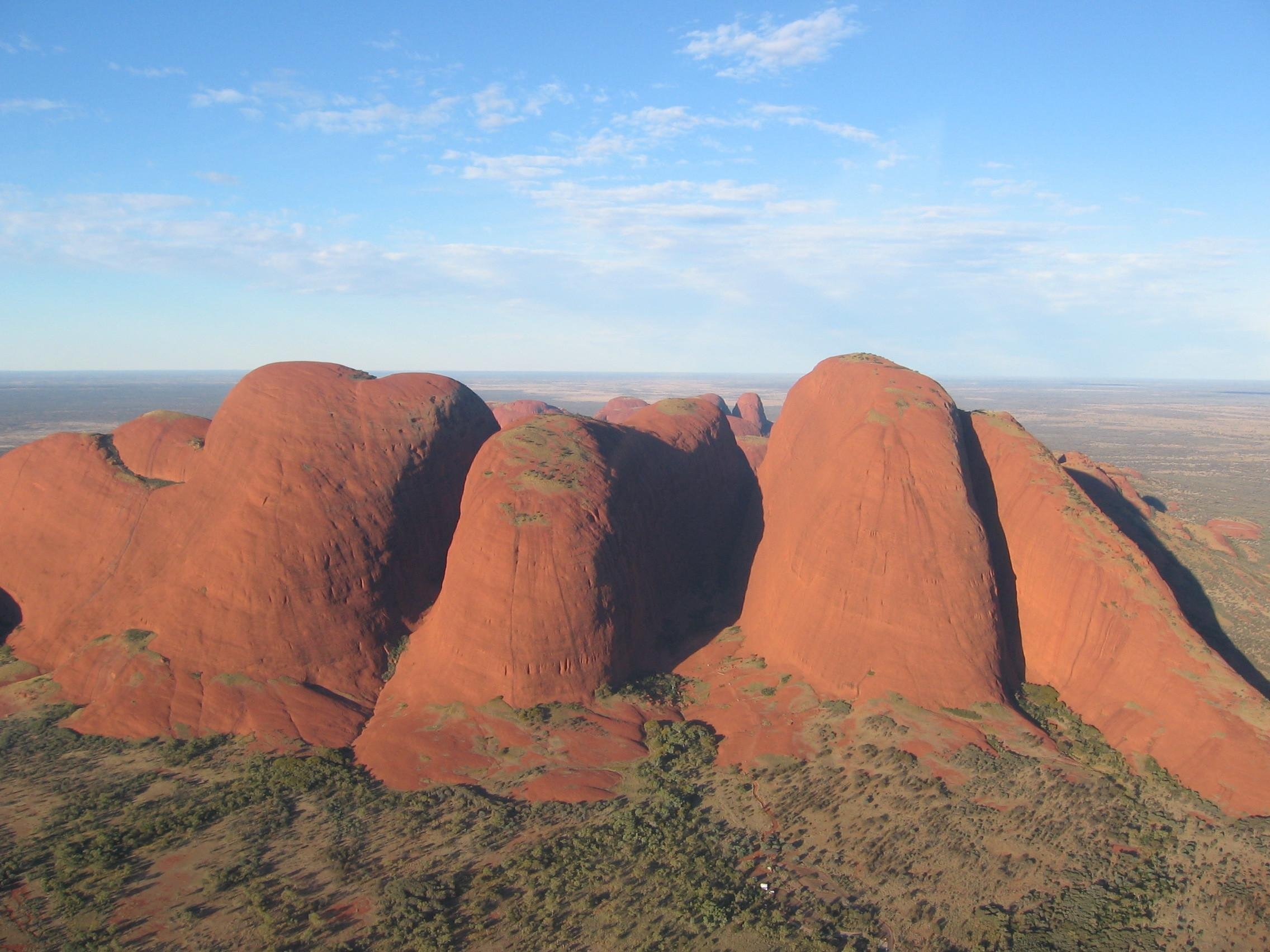
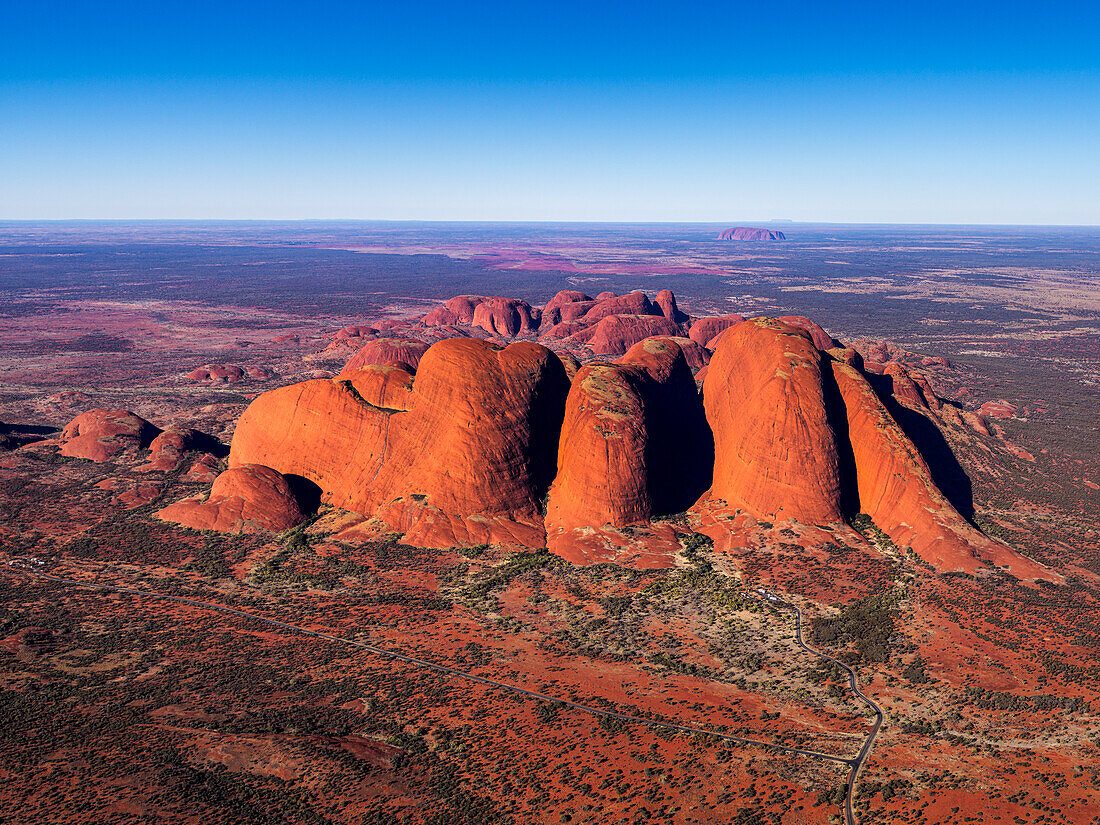
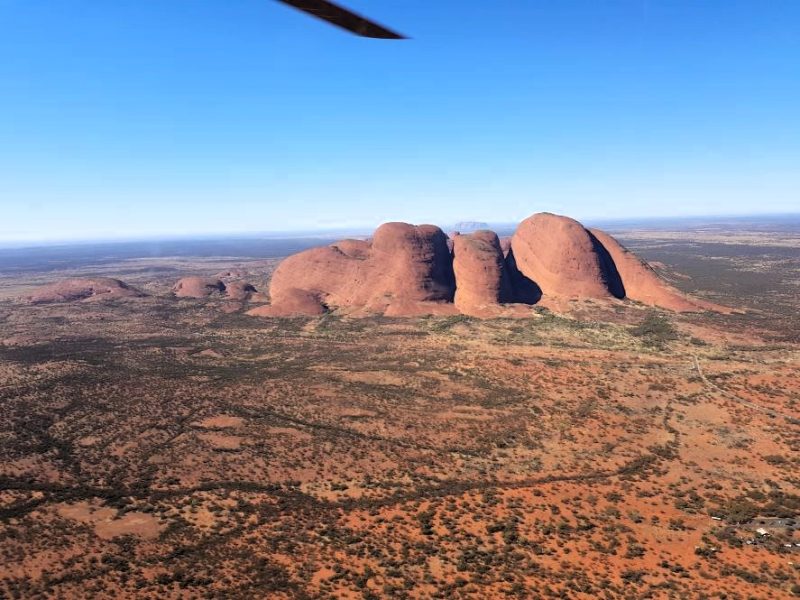
These 36 domes cover an area of 21 square kilometers and form a dramatic landscape. The highest dome, Mount Olga, reaches 546 meters
Kata Tjuta landscape photography
You arrive at Ayers Rock Airport 30 minutes before departure, where ground crew direct you to the helicopter apron. After a safety briefing covering headset protocols and weight distribution, you climb into a six-seat Robinson R44 or Bell 206, the cabin already cool despite the 28°C tarmac heat.
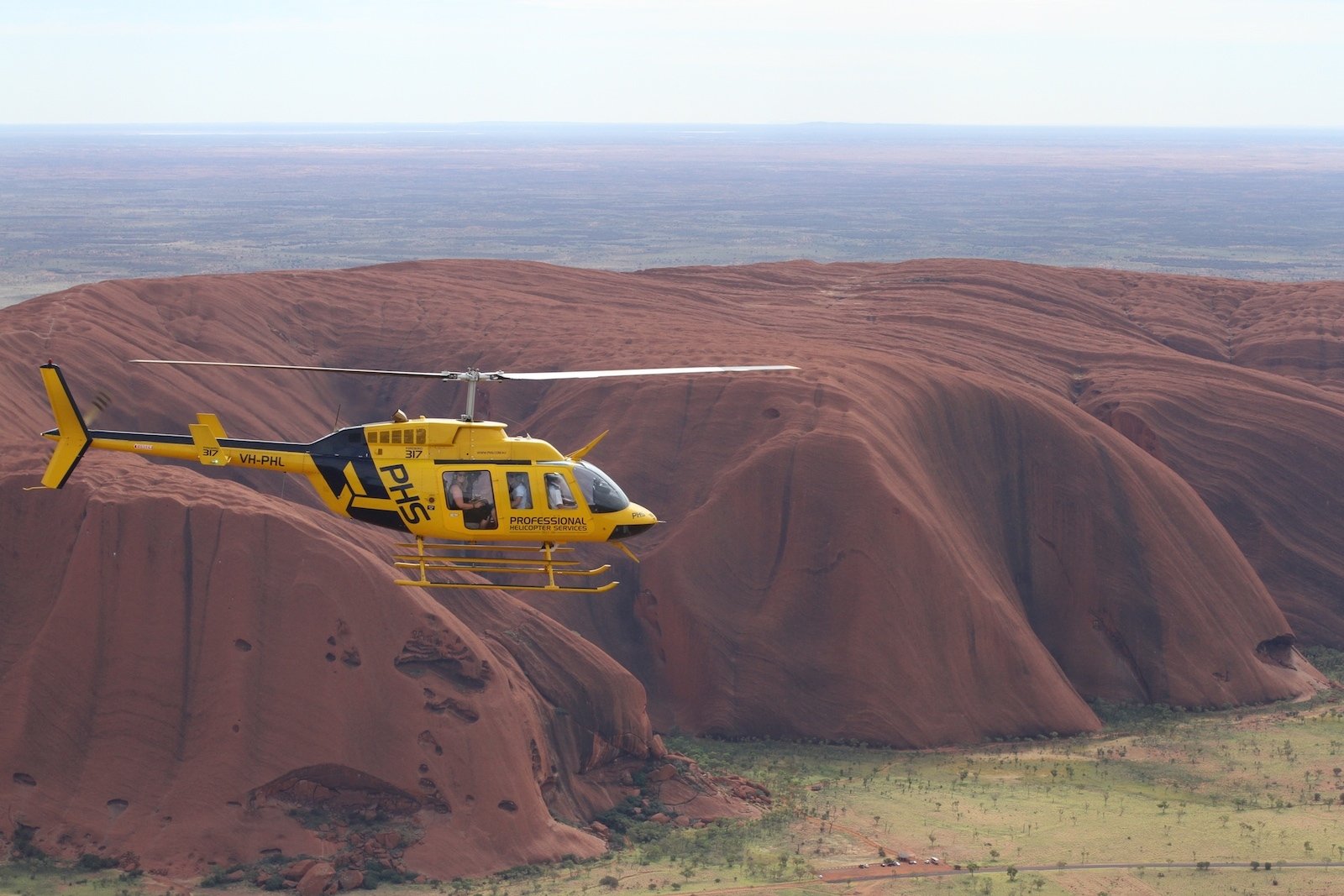
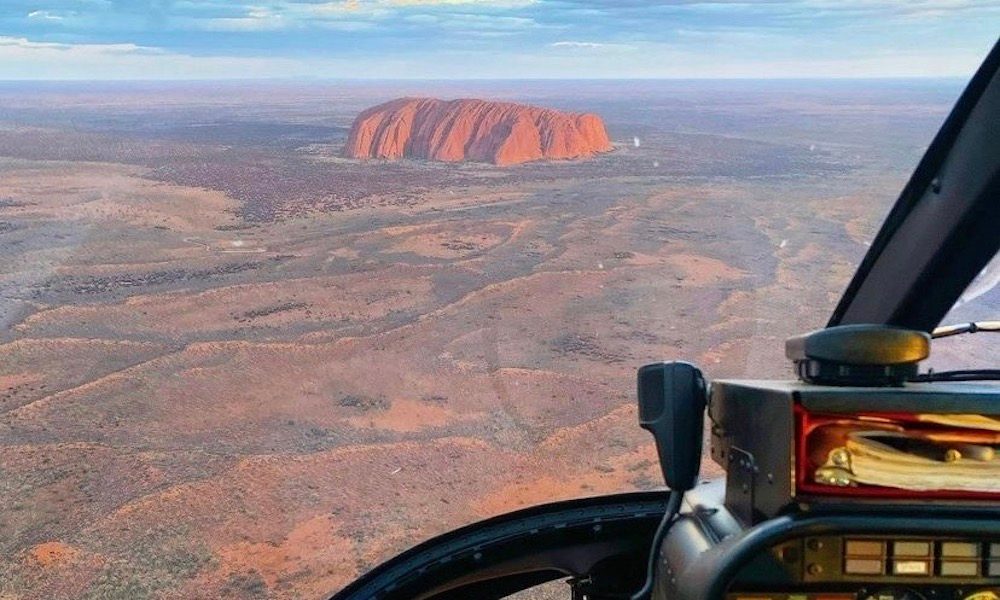
The pilot lifts off heading southwest, and within two minutes Uluru fills the windscreen — a rust-coloured mass rising sheer from spinifex flats. You circle clockwise at 500 feet, low enough to distinguish individual boulders clustered at the base and the dark stain where water carves channels after rain. The pilot banks left to follow the southern face, pointing out Mutitjulu Waterhole where rock art panels mark an Anangu creation site.
The route swings west toward Kata Tjuta, and the perspective shift is immediate. What looked from ground level like distant hills resolves into a cluster of domes, each separated by narrow gorges. You pass directly over the Valley of the Winds walking trail, a thread of pale dirt winding between two formations. The pilot descends to 300 feet for a pass through the eastern gap, stone walls rising on both sides before the helicopter clears back into open sky. On the return leg, you track Uluru's northern flank, where fewer visitors walk and the rock face is smoother, interrupted only by shallow horizontal striations. The entire flight lasts 30 minutes, but you have covered 70 kilometres and seen landforms that would require two days on foot.
All the details about your upcoming adventure in one place
An uluru helicopter tour lifts you above the red desert to witness the monolith's immense scale and the surrounding Kata Tjuta domes from a perspective inaccessible on foot. Flights circle the sacred rock formation, revealing its textured ridges and ephemeral waterfalls after rain. Most uluru helicopter tour tours depart at sunrise or late afternoon when the ironstone glows crimson against the spinifex plain.
Uluru rises 348 metres above the surrounding plain, but its bulk extends another 2.5 kilometres below ground — a geological anchor in the centre of Australia that began as sedimentary layers deposited 550 million years ago.
The Anangu people have inhabited this landscape for more than 30,000 years, mapping songlines and sacred sites across a terrain European explorers would dismiss as barren. When surveyor William Gosse arrived in 1873, he named the monolith Ayers Rock after South Australian Chief Secretary Henry Ayers, unaware he was documenting one node in a ceremonial network spanning thousands of square kilometres. The rock's surface transforms hourly — iron oxide minerals shift from terracotta at dawn to burnt orange at midday, then ember-red as the sun drops. Rainfall is rare, averaging 308 millimetres annually, yet erosion has carved galleries, waterholes and shallow caves into the arkose sandstone.
Uluru became the centrepiece of Australia's first national park returned to traditional owners in 1985, when the Anangu lease agreement granted management authority back to the Pitjantjatjara people. Climbing the rock was banned in 2019 after decades of advocacy — the path had been a scar across a sacred site, and its closure restored the monolith's ceremonial integrity. Today, the best uluru helicopter tour operators work within cultural protocols established by the Uluru-Kata Tjuta National Park board, flying designated corridors that respect restricted zones. These ayers rock helicopter tours reveal the scale no ground perspective can convey: the domes of Kata Tjuta 40 kilometres west, comprising 36 separate formations over 21.68 square kilometres; the salt pans of Lake Amadeus stretching north; and the spinifex plains where dingo tracks crisscross red sand.
Aerial access solves a practical problem. The monolith's 9.4-kilometre base walk takes three hours in heat that regularly exceeds 36°C between November and March. An uluru helicopter ride covers that distance in minutes, tracking the contours from above while cabin air conditioning holds interior temperatures at 22°C. Pilots narrate geological history — the Petermann Orogeny mountain-building event, the tilt of sedimentary beds now standing near-vertical, the parallel fractures where water pools after storms. The uluru sunset helicopter tour departs 90 minutes before dusk, positioning passengers to watch the western face ignite as sunlight rakes horizontally across iron-rich stone. Some operators extend routes to include Kings Canyon, 300 kilometres northeast, where sandstone walls drop 270 metres into the Garden of Eden — a permanent waterhole sustaining cycads and river red gums.
Booking logistics centre on Yulara, the purpose-built resort town 20 kilometres from the rock. All flights depart from Ayers Rock Airport, a sealed runway handling turboprop services and charter helicopters. The national park entrance fee — 38 AUD for a three-day pass — is separate from flight costs, though some packages bundle both. Weather restrictions ground aircraft when wind speeds exceed 35 knots or visibility drops below 5,000 metres, conditions most common during summer monsoon edges in January and February. Winter months from May to September offer the most reliable flying windows, with clear skies and daytime temperatures between 20°C and 25°C.

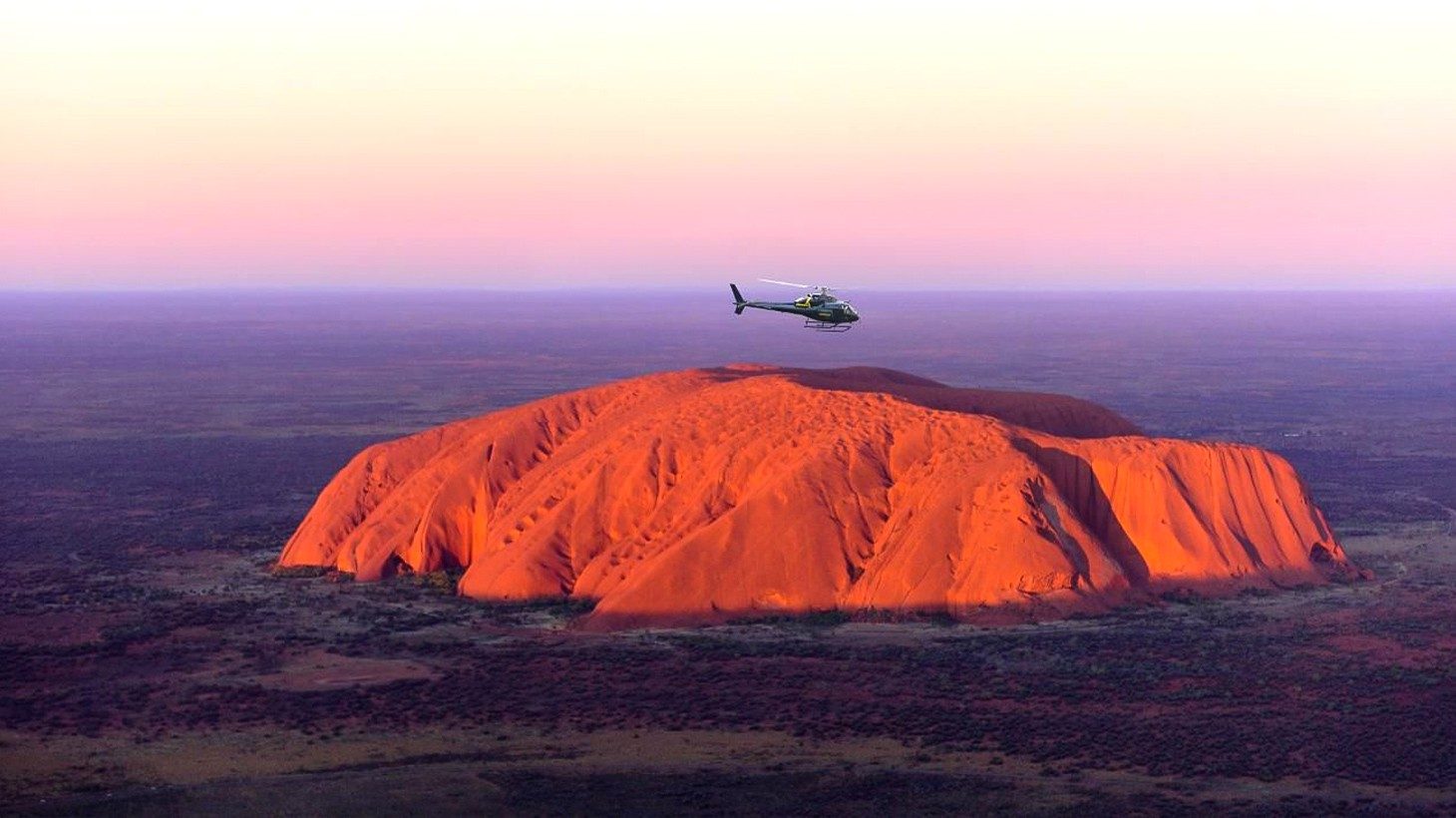
The monolith's surface transforms hourly — iron oxide minerals shift from terracotta at dawn to burnt orange at midday, then ember-red as the sun drops.
Wear comfortable, flat-soled shoes suitable for boarding and disembarking the aircraft. It is recommended to bring a light jacket as temperatures can drop significantly during early morning or sunset flights.
Due to strict weight and balance requirements for light aircraft, large bags are not permitted. Secure all loose items before boarding your uluru helicopter tour.
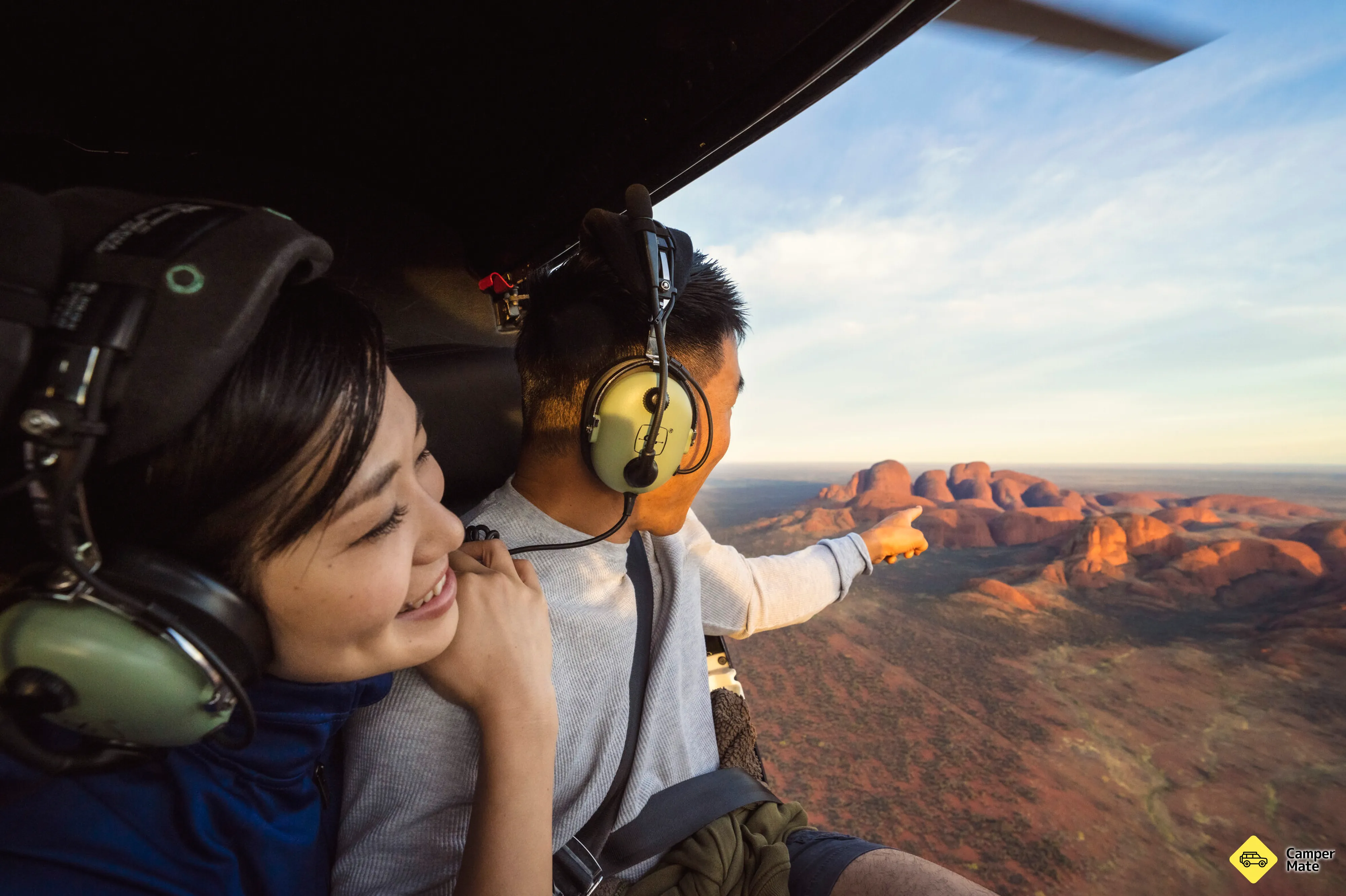
Photography is permitted during your flight, but please ensure your camera strap is secure. Avoid using flash inside the cabin as it creates reflections on the windows.
Children under a certain age or weight may require a specific seat configuration. Verify age requirements for your specific uluru helicopter tour operator before booking.
Passengers with limited mobility should inform the booking agent in advance to arrange assistance. Staff can help those needing support to board the helicopter safely.
Food and beverages are not allowed inside the helicopter cabin. Consume all drinks before your scheduled flight time to avoid spills during the journey.
Opening Hours
05:00–21:00
Address
Lasseter Highway, Yulara, NT 0872, Australia
Entry Pass
38 AUD (3-day national park entry pass for visitors 18 years and over)
Optimal Arrival
05:00–09:00
Storage
Not available at helipad
Official Site
https://uluru.gov.au
Car · 30 min · Free parking onsite
Follow Lasseter Highway directly to the designated helipad area. Parking is available near the tour operator facilities.
Full refunds are typically provided for cancellations made at least 48 hours before the scheduled flight. Cancellations due to severe weather conditions are managed by the operator according to safety protocols.
Recommended time
2-3 hours
Allocating a few hours allows for travel to the heliport, mandatory safety briefings, and your uluru helicopter tour. Choosing the best arrival window of 05:00–09:00 ensures you avoid the midday heat while securing your uluru helicopter tour tickets in advance helps streamline check-in. Crowd levels fluctuate based on demand for aerial views, so booking early morning flights often yields quieter tarmac experiences before the midday rush. Most visitors find that checking in early maximizes the comfort of the flight as the desert temperatures remain stable.
Crowd levels through the day
Weather · crowds · average price — dots go green to amber to red as each metric rises.
September to November offers clear skies and moderate temperatures for flight stability. This season avoids the intense heat of the summer months.
Provide accurate weight details at booking to ensure flight safety. Discrepancies may delay departure.
This angle captures the scale of the sandstone monolith from a side-on perspective against the flat desert floor. Frame your shot to include the deep crevices and textural surface details visible during an uluru helicopter tour.
Focus your lens on the narrow gaps between the massive domes of Kata Tjuta to highlight the dramatic geological formations. This perspective provides a sense of depth and scale that is difficult to achieve from ground-level uluru helicopter tour tours.
Direct your camera downward to capture the contrast between the vibrant red earth and the dark green vegetation surrounding the base. Secure your uluru helicopter tour tickets in advance to ensure you have clear window access for this vertical composition.
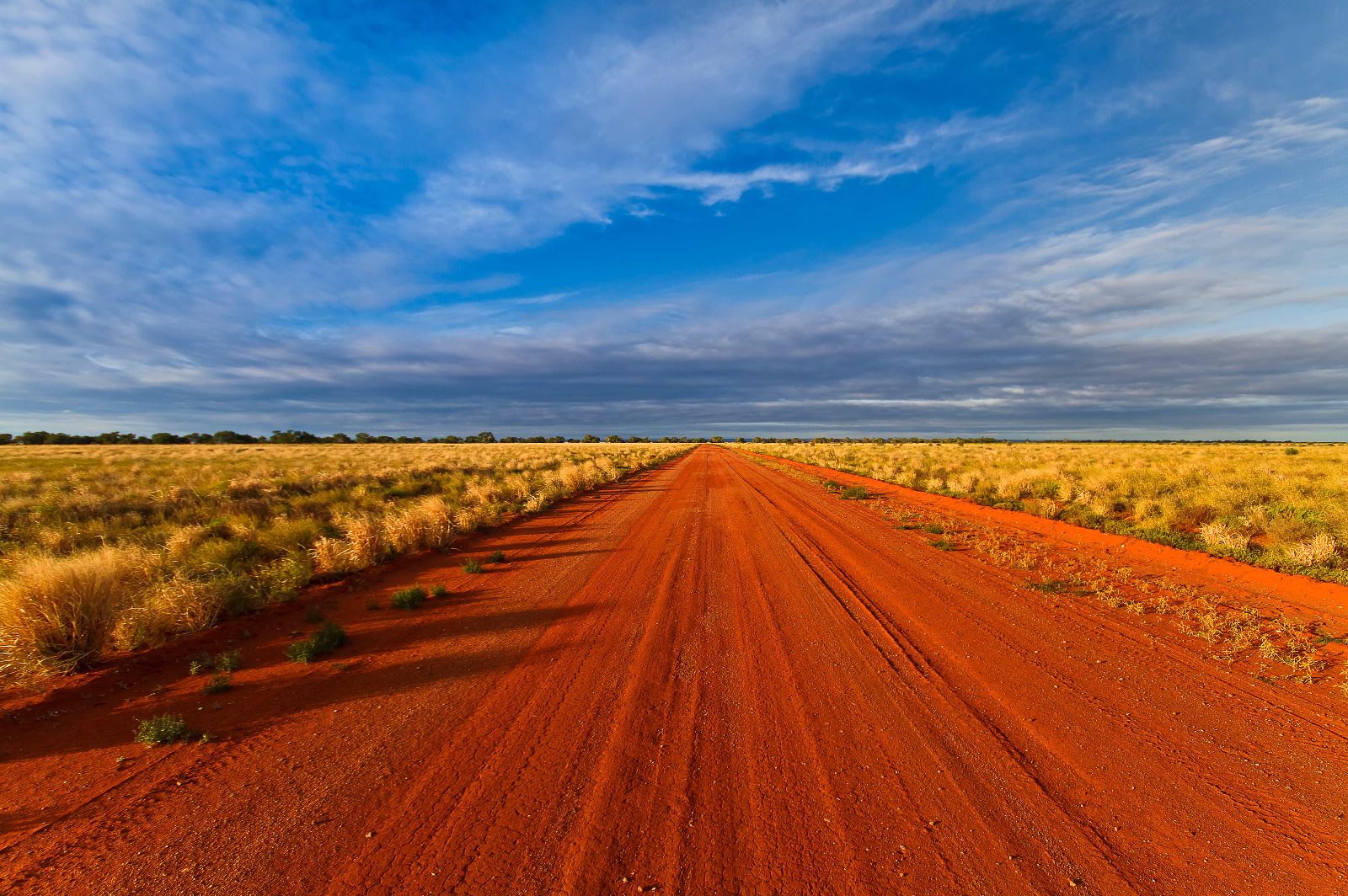
Capture the vast expanse of the red center stretching toward the horizon to illustrate the isolation of the landmark. This wide-angle perspective is often the highlight of an uluru helicopter tour tour.
Real experiences from real travelers
Flying over Uluru revealed scale impossible to grasp from ground level. The pilot circled twice so both sides could photograph the rock's western face. Red earth stretched endlessly beneath us, punctuated only by Kata Tjuta's domes on the horizon.
Booked the early uluru helicopter tour to avoid midday heat haze. Visibility was perfect at 7am, and the low sun cast long shadows across the monolith's surface grooves. Doors-off option worth considering for unobstructed photography.
Pilot provided Anangu perspective during the scenic flight, explaining why certain rock faces hold significance. The 30-minute duration covered both Uluru and Kata Tjuta formations. Headsets were clear even over rotor noise.
Our uluru helicopter tour was rescheduled once due to wind conditions. Second attempt delivered stunning views of the rock's northern side and surrounding desert. Afternoon light emphasized the sandstone's iron-oxide coloring.
Covered more terrain in 30 minutes than two days of base walks. The helicopter pilot pointed out seasonal waterfalls on Uluru's southern face, still flowing from recent rain. Kata Tjuta's Valley of the Winds looked dramatic from above.
Requested window seat when booking the aerial tour. Circular flight path ensured everyone got clear shots without glare. The monolith's texture and ancient erosion patterns became visible at 500 feet altitude.
Check-in process at Ayers Rock Airport was efficient. Safety briefing covered weight distribution and camera strap requirements. The uluru helicopter tour departed on schedule despite afternoon heat reaching 38°C.
Booked the late afternoon helicopter flight over Uluru to catch color changes. Rock shifted from orange to deep crimson as sun dropped. Pilot maintained steady hover for two minutes at optimal viewing distance.
Ground photos don't capture Uluru's true dimensions. From helicopter altitude, the rock's 9km circumference became clear, along with sacred cave formations along the base. Desert stretched unbroken in every direction.
The scenic helicopter tour over Uluru and Kata Tjuta justified the cost through access to perspectives unavailable elsewhere. Pilot adjusted route slightly to avoid afternoon sun glare on windscreen. Twenty-minute option felt rushed; thirty-minute version recommended.
Everything you need to know for your journey
The national park is open from 05:00–21:00 daily.
An aerial view provides a unique perspective of the scale of this UNESCO landmark, making a uluru helicopter tour a distinct experience.
Yes, photography is encouraged on your uluru helicopter tour provided devices are kept inside the cabin.
The entrance fee is 38 AUD for a 3-day pass for visitors 18 and over.
The best arrival window is 05:00–09:00 for optimal light and cooler temperatures.
Operators can assist passengers with limited mobility, but please notify them when purchasing your uluru helicopter tour tickets.
Yes, age and weight restrictions apply, and children generally require their own seat on an aerial excursion.
Yes, you can secure your uluru helicopter tour online via official park-authorized operators.
Flights typically depart from the local airport or dedicated helipads located on Lasseter Highway.
A permanent water source at the base of the rock. This site holds significant cultural importance to local people.
Exhibits detail the history and environment of the park. It serves as a necessary educational stop before exploring the area.
Centrally located with views of the landscape.
Join thousands of happy travelers who have discovered this incredible experience
Book Your Experience Now